
What Happens If You Drive Without Insurance?

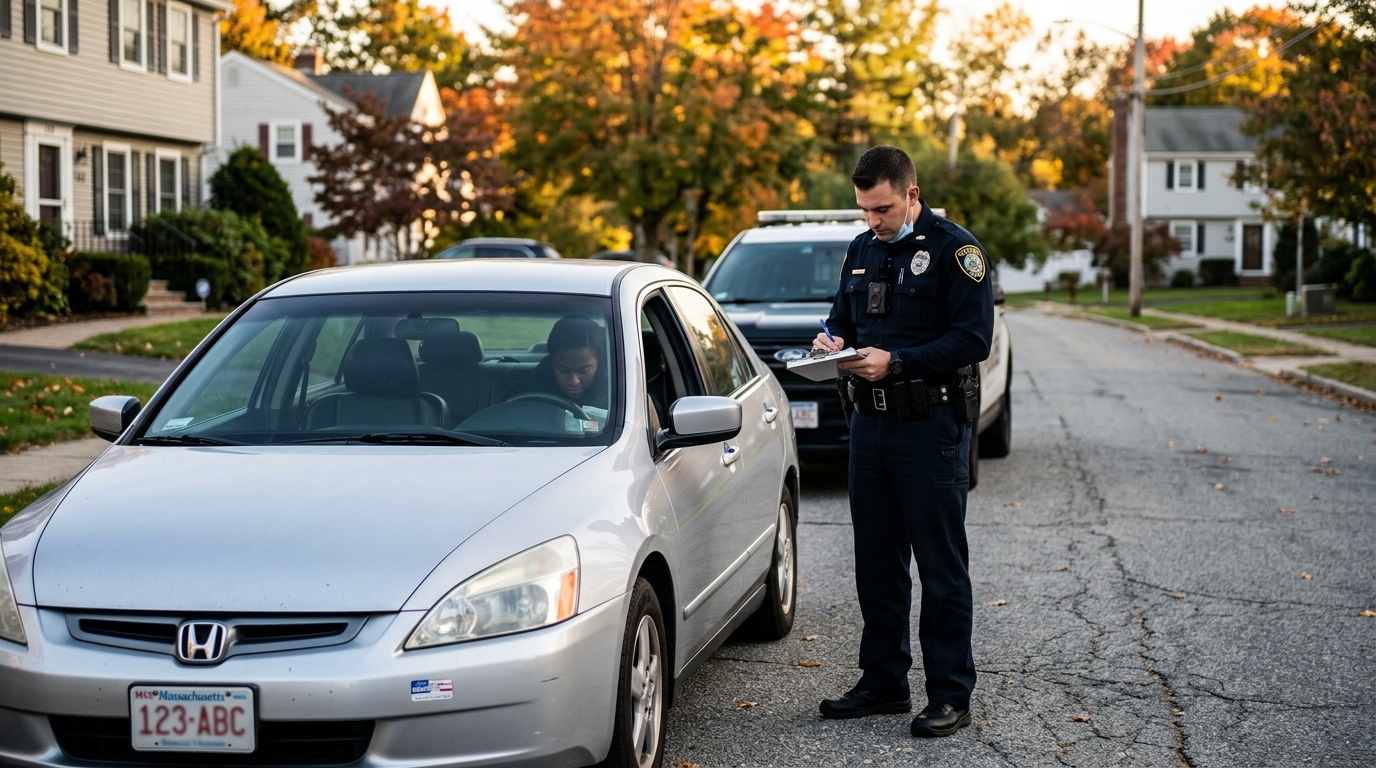
Driving without insurance in the United States isn't just a paperwork issue — it's a legal and financial gamble that can cost thousands even when nothing goes wrong. Every state except New Hampshire requires drivers to carry minimum liability coverage, and the penalties for skipping it stretch from a modest fine to years of financial fallout. This guide breaks down what actually happens when a driver gets caught, when they cause an accident, and how a $200 monthly premium can turn into a $50,000 problem overnight.
In this article
The Immediate Fines Vary Widely by State
The first-time fine for driving without insurance depends heavily on where the traffic stop happens. In most states, a first offense carries a fine between $100 and $500, but several jurisdictions push penalties well beyond that range. California starts around $100 to $200 plus court fees. Florida issues a $150 fine on top of a reinstatement fee that can climb to $500. New York can reach up to $1,500 for a first offense, and Michigan historically added driver responsibility fees of roughly $500 per year for two consecutive years.
Repeat offenses escalate quickly. A second or third citation within a few years can double or triple the base fine, add jail time in states like Michigan and Georgia where sentences can reach up to a year, and trigger mandatory community service. Court costs and administrative fees typically add another $100 to $300 on top of the fine itself, and courts rarely offer payment plans that make the total feel manageable.
License Suspension and Registration Freezes
Beyond the ticket, most states suspend a driver's license and vehicle registration after an uninsured driving citation. Suspensions commonly last 30 days to 12 months for a first offense, depending on the state and whether an accident was involved. Getting a license reinstated requires a fee — usually $50 to $500 — and proof of a new active policy on file with the state.
Some states enforce this automatically. In California, the DMV suspends a vehicle's registration when the insurance company reports a lapse. Florida requires drivers to file an SR-22 or FR-44 form for three years after any uninsured incident. Nevada charges $250 for a first insurance lapse and impounds vehicles for a fourth violation. Once a vehicle registration is suspended, the license plate is technically invalid — and a second traffic stop while suspended usually stacks a fresh set of charges on top.
The Accident Scenario That Wrecks Finances
The real damage from driving without insurance shows up after a crash. Consider a common scenario: an uninsured driver runs a red light and hits a mid-size sedan. The other driver's medical bills come to $18,000. The vehicle is a total loss at $22,000. There's lost wages during recovery — another $6,000. Pain and suffering claims add another $10,000 or more in most states that allow them.
Without coverage, the at-fault driver is personally liable for every dollar. That's a $56,000 judgment tied directly to their name. Wages can be garnished, tax refunds seized, and liens placed on any home or vehicle they own. In most states these judgments accrue interest — often 5% to 10% annually — so the debt grows every year it goes unpaid. Compare that to roughly $2,400 to $3,600 a year for a minimum liability policy in most states, and the math becomes brutal.
Ready to compare car insurance rates?
Fresh side-by-side quotes from three or more insurers take about ten minutes.
See our quote guideHow the Cost Snowballs After a Citation
The financial consequences don't stop with the initial fine. Here's how a single uninsured driving citation typically plays out over the following two to five years:
- Base fine and court costs: $150 to $1,500 depending on the state.
- License reinstatement fee: $50 to $500.
- SR-22 filing fee: $15 to $50, plus renewal fees each year the form is required — usually three years.
- Higher premiums going forward: an SR-22 designation typically doubles or triples auto insurance rates for at least three years. A driver paying $1,800 annually before could pay $4,000 to $5,500 after.
- Vehicle impound fees: some states impound the car immediately, with daily storage fees of $30 to $75 that can top $1,000 if the release process drags out.
- Attorney fees: often $2,500 minimum if the case involves an accident or injury claim.
Enforcement Has Gotten Much Harder to Dodge
Enforcement of driving without insurance has become largely automated in the last decade. Most states now run electronic insurance verification systems that ping carriers in real time when a vehicle is registered or a traffic stop occurs. Systems like Texas TexasSure, Florida's FLHSMV verification, and California's electronic reporting mean officers know within seconds whether coverage is active before they walk up to the window.
Automatic license plate readers on patrol cars and highway cameras also flag vehicles with lapsed coverage. Even without a traffic stop, many states now mail notices when their system detects a lapse — and failure to respond within 15 to 45 days triggers automatic suspension. The old idea that a driver can quietly go uninsured until something bad happens no longer holds in most of the country.
The SR-22 Aftermath
After a lapse in coverage or an uninsured driving citation, most states require an SR-22 filing — a form the insurance company files with the state confirming the driver is carrying minimum liability. Here's what that actually means in practice:
- The requirement usually lasts three years, though some states extend it to five for serious offenses.
- Premiums typically climb 40% to 90% while the SR-22 is active.
- Any lapse in coverage during the SR-22 period restarts the clock and can trigger another suspension.
- Not every insurer writes SR-22 policies — options often shrink to non-standard carriers with higher rates.
- The FR-44, required in Florida and Virginia for serious offenses like DUI, demands higher liability limits (often $100,000/$300,000) rather than state minimums.
What to Do If Coverage Lapsed by Accident
Lapses happen more often than people expect — a missed payment, a card that got replaced without updating auto-pay, a policy that cancelled without a clear notice. If a lapse is caught before any citation or accident, quick action limits the damage:
- Contact the previous insurer immediately and ask about reinstatement. Many carriers allow reinstatement within 10 to 30 days without treating it as a full lapse.
- If reinstatement isn't an option, shop for a new policy the same day and ask for coverage effective immediately — not the following morning.
- Request a letter of prior insurance from the old carrier. Even a short lapse can push premiums 15% to 40% higher for six months or more without proof of prior coverage.
- If the vehicle was driven during the lapse, keep it parked until new coverage is bound and confirmed in writing.
- Check whether the state DMV has already flagged the lapse — some auto-suspend registration within 30 days of a reported cancellation, even if the driver reinstates coverage the following week.
Frequently Asked Questions
How much does driving without insurance cost if you get pulled over?
First-offense fines typically range from $100 to $1,500 depending on the state, and license reinstatement adds another $50 to $500 on top. Court costs and administrative fees usually add $100 to $300 more. Repeat offenses can double or triple those figures, and states like Michigan and Georgia allow jail time of up to a year for repeat violations.
Can you go to jail for driving without insurance?
Jail time is rare for a first offense but possible in states like Michigan, Georgia, and Idaho, where sentences can reach up to one year. Most first-time offenders receive fines and license suspensions instead of incarceration. Jail becomes far more likely after multiple offenses or when driving without insurance is combined with charges like DUI or reckless driving.
What happens if you get in an accident without insurance and it's not your fault?
The at-fault driver's insurance still pays for damages and injuries, but many states enforce "no pay, no play" laws that limit an uninsured driver's ability to collect non-economic damages like pain and suffering. States including California, Louisiana, and New Jersey follow versions of this rule. The uninsured driver may still face fines and license suspension for being uninsured, even when the crash wasn't their fault.
How long does driving without insurance stay on your record?
An uninsured driving conviction typically stays on a driving record for three to five years, though some states keep it on file longer. Most insurance companies look back three years when calculating rates, and the resulting SR-22 requirement usually runs three years from the offense date. In serious cases involving accidents or injuries, the record can affect insurance eligibility for up to seven years.
Is it cheaper to pay the fine than to buy insurance?
For a single first offense with no accident, the raw math sometimes looks like the fine is cheaper — a $300 ticket versus $2,000 a year in premiums. But that ignores license suspension, SR-22 requirements that raise rates 40% to 90% for three years, and roughly $50,000+ of personal liability exposure if an accident happens. Over three to five years, going uninsured almost always costs more than a minimum-coverage policy would have.