
How to File a Car Insurance Claim

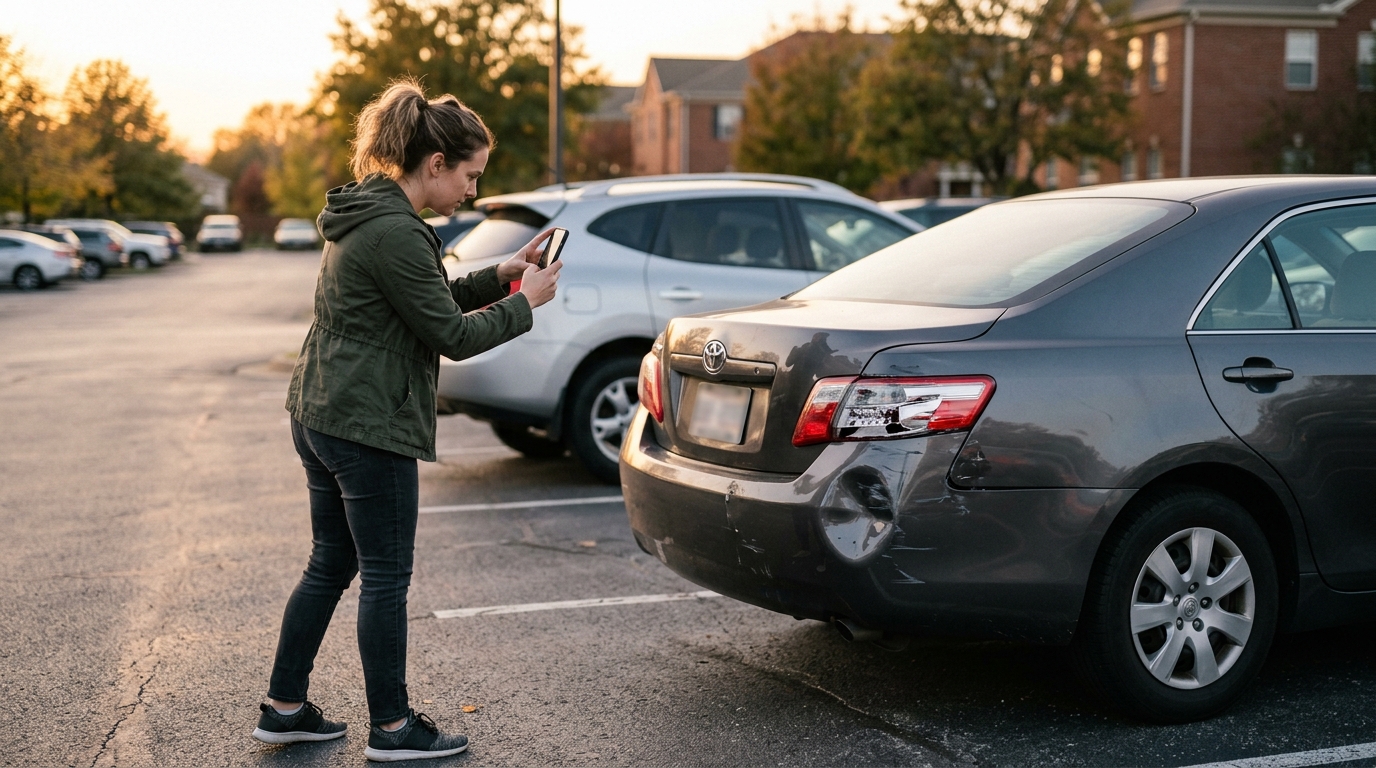
Knowing how to file a car insurance claim before you actually need to can save days of back-and-forth, hundreds of dollars in preventable losses, and the frustration of a denied payout. The process is more procedural than complicated, but small missteps - waiting too long, saying the wrong thing to an adjuster, or accepting the first settlement offer - are what turn a routine claim into a fight. This guide walks through every step from the moment of impact to the settlement check, including the exact phrases to avoid and the common mistakes that shrink payouts.
In this article
- What to Do at the Scene of the Accident (Before You Even Call Your Insurer)
- When to File a Claim (and When You Might Not Want To)
- How to File a Car Insurance Claim, Step by Step
- What to Say (and Not Say) to the Adjuster
- Common Mistakes That Delay or Reduce Your Payout
- How Long the Claims Process Takes and What Happens Next
What to Do at the Scene of the Accident (Before You Even Call Your Insurer)
If nobody is seriously injured and the vehicles are drivable, move them to the shoulder or a nearby parking lot. Call 911 anytime someone is hurt, a car is blocking traffic, or the other driver is uninsured, intoxicated, or hostile. Even in fender-benders, most states require a police report if damage exceeds a threshold - usually $500 to $2,500 depending on the state.
While waiting, gather documentation. Photograph all vehicles from multiple angles, license plates, both insurance cards, driver's licenses, road conditions, traffic signals, skid marks, and any visible injuries. Take video of the entire scene if possible. Get names and phone numbers of every witness - independent witnesses are the single most valuable evidence in a disputed claim.
Exchange insurance and contact information with the other driver, but keep the conversation neutral. Do not apologize, do not say I didn't see you, and do not speculate about who caused the crash. Even a polite I'm sorry can be twisted into an admission of fault by the other driver's insurer weeks later. Get a copy of the police report number before officers leave the scene.
When to File a Claim (and When You Might Not Want To)
Not every accident warrants a claim. If damage falls under your deductible - most drivers carry $500 or $1,000 deductibles - filing guarantees you'll pay out of pocket and possibly see a rate hike at renewal. A single at-fault claim typically raises premiums 20% to 40% for three to five years, which can easily outweigh a small payout on a scratched bumper.
That said, filing is almost always the right move when:
- Anyone was injured, even with minor whiplash or soreness
- The other driver was clearly at fault - their insurer pays, and your rates should not increase in most states
- Damage clearly exceeds your deductible
- The other driver is uninsured or fled the scene, so uninsured motorist coverage kicks in
- Any third party was involved, including pedestrians, cyclists, or property owners
Even if you're on the fence, call your insurer to open a claim record without formally committing. Insurers typically require notification within 30 days regardless of whether you pursue payment. Waiting longer can trigger a denial for prejudice to the insurer - meaning the delay itself, not the damage, becomes the reason for rejection.
How to File a Car Insurance Claim, Step by Step
Once you're ready to file a car insurance claim, the process is largely the same across major insurers. Most now let you file through their mobile app, website, or by phone. Expect the first call or app submission to take 15 to 30 minutes.
- Contact the claims line or open the app within 24 to 72 hours. Most policies specify prompt notification. Have your policy number, driver's license, and the police report number ready.
- Report the who, what, when, and where. Stick to observable facts: date, time, intersection, direction of travel, weather, and vehicles involved. Skip opinions about fault.
- Get your claim number. Every future call, email, or photo upload references this number. Write it down and save your assigned adjuster's direct line.
- Schedule the damage inspection. Some insurers use drive-in inspection centers, others send an adjuster to your home or preferred repair shop, and many now accept photo estimates through the app for claims under roughly $3,000.
- Get repair estimates. You can use the insurer's Direct Repair Program shop (usually faster and paid directly) or any licensed body shop of your choice. Most states legally protect your right to pick.
- Review and sign the settlement. For repair claims, the insurer pays the shop directly minus your deductible. For total losses, expect a check for the vehicle's actual cash value.
Ready to compare car insurance rates?
Fresh side-by-side quotes from three or more insurers take about ten minutes.
See our quote guideWhat to Say (and Not Say) to the Adjuster
The adjuster is friendly, but their job is to close claims for the lowest defensible amount. Every conversation is recorded or logged in the claim file. A few ground rules keep things simple.
Stick to facts you personally observed. If asked How fast were you going?, answer with what your speedometer showed - not your best guess. If asked Were you hurt?, say I plan to be evaluated by a doctor rather than I feel fine. Soft tissue injuries often surface 24 to 72 hours after impact, and I feel fine gets quoted in the claim file forever.
Never give a recorded statement to the other driver's insurer without preparation. You are not legally required to. Politely decline, request their questions in writing, and answer only after you have reviewed your own claim file - and, if injuries are involved, spoken with a personal injury attorney.
Do not accept the first settlement offer for a total loss or bodily injury claim. Initial offers on totaled vehicles routinely come in 15% to 25% below fair market value. A documented counter - three to five recent comparable sales pulled from Kelley Blue Book, Edmunds, and local dealer listings - almost always raises the offer.
Common Mistakes That Delay or Reduce Your Payout
The claims process is procedural, but a handful of avoidable errors account for most reductions, delays, and outright denials.
- Waiting more than 72 hours to report. Delays let the other driver reshape their story and give adjusters ammunition to question your version.
- Skipping medical evaluation because it's just a bruise. Documented injury within 72 hours anchors any later claim; symptoms flagged a week out get denied as unrelated.
- Handing over your car keys before an approved estimate. Once the shop starts work without insurer sign-off, the insurer can dispute any charges above their internal estimate.
- Accepting the first total-loss valuation without pulling your own comparable listings and rebutting with recent local sales data.
- Signing a general release in exchange for a quick payout. That signature typically extinguishes any future claim, including injuries that surface weeks later.
- Posting on social media about the accident, your injuries, or your recovery. Insurers routinely screenshot public posts to challenge injury claims - a single hiking photo can wipe out a soft tissue settlement.
How Long the Claims Process Takes and What Happens Next
A straightforward not-at-fault repair claim with no injuries usually closes in two to four weeks. Total losses run three to six weeks. Bodily injury claims involving another party can take six months to two years to fully resolve, especially if medical treatment is still ongoing.
The general timeline looks like this: the insurer acknowledges the claim within 24 to 48 hours, an adjuster contacts you within three to five business days, damage is inspected within a week, and repair authorization follows within a few days of the estimate. State insurance departments set outer limits - California, for example, requires insurers to accept or deny a claim within 40 days of receiving proof of loss, and most states have similar deadlines in the 15-to-45-day range.
Rental car coverage kicks in only if you added it to your policy - typically $30 to $50 per day, capped at a total of $600 to $1,500 depending on your limits. If the other driver is at fault, their liability coverage should pay for your rental without that daily cap in most cases.
If the vehicle is repaired rather than totaled, ask about a diminished value claim - the difference between pre-accident and post-repair market value. Most states allow these claims against the at-fault driver's insurer, and a well-documented request can recover $500 to $3,000 on a newer vehicle with a clean history that now shows an accident on its Carfax report.
Frequently Asked Questions
How long do I have to file a car insurance claim after an accident?
Most policies require prompt notification, which insurers generally interpret as within 24 to 72 hours. State statutes of limitation give you longer to pursue the claim - typically two to six years - but waiting past a few days risks a denial for delayed notice. Report the claim quickly even if you are still deciding whether to actually pursue payment.
Will filing a car insurance claim raise my rates?
A single at-fault claim typically raises premiums 20% to 40% for three to five years, depending on the insurer, state, and your driving history. Not-at-fault claims usually do not affect rates in most states, though some carriers still surcharge after multiple incidents. Comprehensive claims for theft, hail, or animal strikes generally have a much smaller impact than collision or liability claims.
Can I file a car insurance claim if the accident was my fault?
Yes. Your collision coverage pays for damage to your own vehicle regardless of fault, minus your deductible. Your liability coverage separately pays the other driver's damage and injuries up to your policy limits. Expect a premium increase at renewal, but the immediate payout for repairs still comes through your own policy.
What if the other driver does not have insurance?
File under your own uninsured or underinsured motorist coverage, which is required or offered in nearly every state. UM/UIM typically covers your medical bills, lost wages, and sometimes property damage up to the limit you selected. If you skipped this coverage, your collision coverage will pay for your vehicle but not your medical bills, and recovering directly from an uninsured driver is rarely worth the legal cost.