
What Happens After a Car Accident (Claim Process)

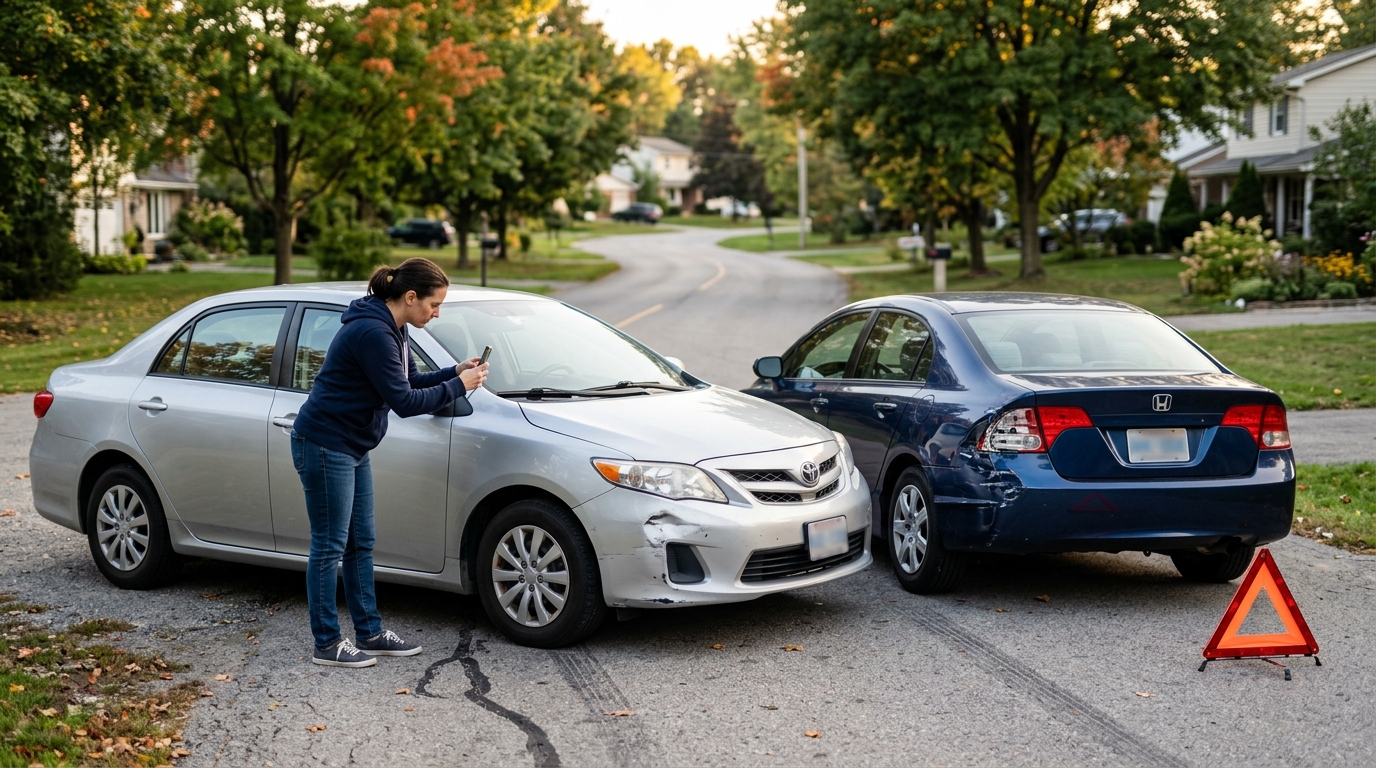
What happens after a car accident depends less on luck and more on the small decisions drivers make in the first hour, the first 48 hours, and the first two weeks. Adjusters open files fast, timelines are rigid, and small missteps — a broad medical release, a "feeling great" social post, a first-offer acceptance — quietly cost thousands. Here is how the claim process actually moves, from the scene through the payout.
In this article
- The First Hour: What to Do at the Scene
- The First 48 Hours After a Car Accident
- How the Claims Adjuster Works the File
- Vehicle Repairs, Total Losses, and Payouts
- Injuries, Medical Bills, and Bodily Injury Claims
- Mistakes That Quietly Shrink a Car Accident Claim
- When to Escalate: Appraisals, Complaints, and Attorneys
The First Hour: What to Do at the Scene
The first hour matters more than most drivers realize. Small choices at the scene shape everything the adjuster sees weeks later.
- Move to safety and turn on hazards. If the car is drivable and blocking traffic, pull to the shoulder. Secondary crashes cause a disproportionate share of interstate fatalities.
- Call 911 for injuries or significant damage. Most states require a police report above a damage threshold that ranges from $500 to $2,500, depending on the state.
- Document everything with a phone. Photos of all four corners, license plates, driver's licenses, insurance cards, road conditions, and any skid marks or debris fields.
- Exchange information but do not discuss fault. Names, phones, plate numbers, insurance carrier, and policy numbers cover the requirement.
- Get witness contact info. A neutral third party is often the difference between a clean liability finding and a disputed 50/50 split.
- Note anything unusual. Signal timing, weather, airbag deployment, or whether the other driver seemed impaired.
The First 48 Hours After a Car Accident
The first 48 hours after a car accident set the pace for the entire claim. Insurance carriers open files quickly, and delays create suspicion.
- Report the claim to the insurer, ideally within 24 hours. Policies require prompt notice, and carriers reserve the right to deny stale claims.
- Get a case number and the adjuster's direct line. Save both, along with the date.
- Take a second round of photos in daylight. Overnight shots often miss paint transfer and small dents.
- Start a claim log. Every call, name, promise, and callback time in one file.
- See a doctor if anything feels off. Soft-tissue symptoms often appear 24-72 hours after the crash, and a gap in medical records is the single most common reason bodily-injury settlements get discounted.
- Do not accept a first settlement offer over the phone. First offers on total losses typically come in 10-20% below fair market value.
- Save receipts for rides, rentals, and any time off work.
How the Claims Adjuster Works the File
An adjuster is not a claims-payment machine — they are an insurance employee juggling 100-200 open files with a manager measuring their loss ratio. The first call usually opens with a request for a recorded statement. Drivers are not obligated to give a recorded statement to the other party's insurer, and doing so before injuries are diagnosed or fault is established creates quotes that get used against the claim later.
The adjuster's actual job breaks into three parts: verify coverage was active at the time of the loss, investigate liability, and value the damage. That means pulling the police report, ordering photos, and often assigning a field appraiser or sending the car to a direct-repair-program shop.
Response times vary. Most carriers acknowledge a claim within 24-48 hours and issue a coverage decision within 10-15 business days. Complex claims — disputed liability, uninsured drivers, injuries — routinely take 30-90 days. States with prompt-pay statutes such as Texas, California, and Florida require action within specific windows; carriers that miss them can owe interest or face bad-faith exposure.
Ready to compare car insurance rates?
Fresh side-by-side quotes from three or more insurers take about ten minutes.
See our quote guideVehicle Repairs, Total Losses, and Payouts
Property damage moves faster than injury. Once the adjuster confirms liability, the estimate typically comes back within 7-14 days. Insurers take one of two paths.
Repairable damage. The shop writes an estimate, the adjuster approves or negotiates, and supplements — extra damage found once panels come off — get added along the way. A moderate collision with bumper, hood, and fender work but no airbag deployment often runs $3,500-$8,500. Rental coverage kicks in if the policy includes it, generally capped at $30-$50 per day.
Total loss. If repair cost plus salvage value exceeds a percentage of actual cash value (ACV) — usually 70-80%, set by state law — the car is totaled. The insurer pays ACV minus the deductible.
| Stage | Typical Timeframe |
|---|---|
| Claim reported to adjuster assigned | 24-48 hours |
| First contact from adjuster | 1-3 business days |
| Vehicle inspection or photos | 3-10 business days |
| Repair estimate issued | 7-14 business days |
| Total loss offer | 10-21 business days |
| Payout after acceptance | 3-10 business days |
| Injury settlement (soft tissue) | 60-180 days |
First total-loss offers are almost always negotiable. Comparable listings within 50 miles, maintenance records, and recent repair receipts can push ACV 8-15% higher.
Injuries, Medical Bills, and Bodily Injury Claims
Bodily injury runs on a separate timeline. Adjusters wait for the injured party to reach maximum medical improvement — the point where treatment plateaus — before making an offer, because paying too early risks reopening the claim.
For soft-tissue injuries like whiplash and strains, that window is usually 60-180 days. Anything involving surgery, imaging, or lasting impairment can stretch 12-24 months. During that stretch, medical bills stack up. Depending on the state, they get paid by MedPay or Personal Injury Protection (PIP) coverage on the injured driver's own policy first, then reimbursed from the settlement.
The bodily-injury settlement covers three buckets: past and future medical expenses, lost wages, and pain and suffering. Insurers use claim-valuation software — Colossus is the best known — to price the pain-and-suffering component. Software valuations run low by design; documented treatment gaps, missed appointments, and social-media posts that contradict claimed limitations all pull the number down further.
Mistakes That Quietly Shrink a Car Accident Claim
A few habits quietly shrink car accident settlements more than any attorney argument can fix.
- Giving a recorded statement to the other driver's insurer without preparation. Their adjuster works for their insured, not for fairness.
- Posting on social media. A gym check-in, hiking photo, or feeling great comment gets screenshotted straight into the file.
- Signing a medical release that is too broad. Standard forms often let the insurer pull 5-10 years of unrelated records to argue pre-existing conditions.
- Missing physical therapy appointments. Adjusters read the gaps as not really hurt.
- Accepting the first ACV offer without pulling comparable listings.
- Cashing a settlement check labeled full and final before injuries are fully evaluated. Endorsing that check almost always releases all future claims.
- Waiting past the state statute of limitations to file suit. Most states allow 2-3 years for personal injury and property damage.
- Repairing the car before the other insurer has inspected it.
When to Escalate: Appraisals, Complaints, and Attorneys
Claims stall. Adjusters go silent. Offers come in low. Every state has an escalation path most drivers never use.
The first move is a written demand letter — email or certified mail — laying out the claim, damages, and a 15-30 day deadline. Verbal promises rarely turn into checks; written demands force a written response.
If the vehicle's value is disputed, most auto policies include an appraisal clause: each side hires an independent appraiser, the two select an umpire, and the majority ruling binds both parties. It costs $300-$800 per side but can raise ACV by thousands.
For denied claims or bad-faith delay, every state's Department of Insurance takes complaints online. Regulators route them to the carrier's compliance team, which usually triggers a re-review within 10-30 days. Attorneys typically come in on injury claims worth $25,000 or more; contingency fees run 33-40% of the recovery.
Frequently Asked Questions
How long does a car insurance claim take to settle?
Property damage claims typically settle within 2-4 weeks once liability is clear, with total loss offers landing in 10-21 business days and payout arriving 3-10 days after acceptance. Injury claims run longer: 60-180 days for soft-tissue cases and 12-24 months when surgery or lasting impairment is involved. Disputed liability or uninsured-driver situations routinely add 30-90 days.
Do I have to give a recorded statement to the other driver's insurance?
No. Drivers are only required to cooperate with their own insurance carrier under the policy contract. Giving a recorded statement to the other party's adjuster is voluntary, and doing it before injuries and fault are fully established almost always weakens the claim. A written statement, after the police report is available, is a safer alternative.
Will my insurance rates go up if the accident wasn't my fault?
In most states, a not-at-fault claim should not raise rates, but that is not universal. California and Oklahoma prohibit surcharges for not-at-fault accidents; several other states allow carriers to weigh overall claims history when renewing. Even without a surcharge, some insurers quietly remove a claim-free discount, which shows up as a modest premium bump.
Should I hire an attorney after a car accident?
For property damage only, most drivers can handle the claim on their own. Attorneys typically get involved when injury damages exceed $25,000, when liability is disputed, or when the insurer denies the claim outright or drags negotiations past 60 days. Standard contingency fees run 33-40% of the recovery, higher if the case goes to trial.
What happens if the other driver doesn't have insurance?
Uninsured Motorist (UM) coverage on the injured driver's own policy pays for injuries and, in some states, property damage. UM is not required in every state — drivers in Nevada, Arizona, Ohio, and others should confirm they carry it. Without UM, the only recovery is a civil suit against the driver personally, which is often uncollectable.