
Car Insurance Nonrenewal: What It Means and What to Do Next

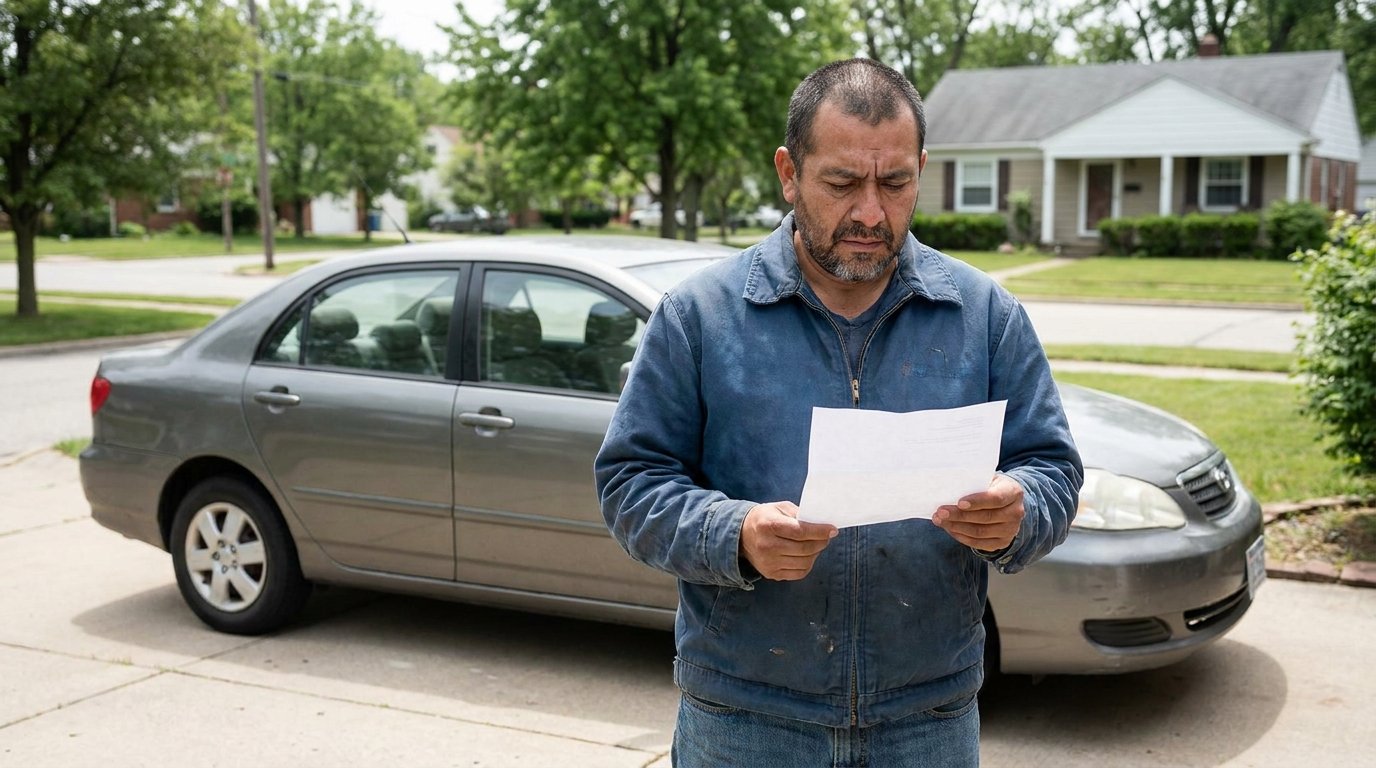
A notice of nonrenewal means your car insurance company has decided not to continue your policy once the current term ends. It is not a cancellation, and it does not cut off your coverage early — your policy runs to its scheduled expiration date, and you have a window to line up new coverage before then. Insurers can only nonrenew for reasons allowed under your state's law, and must tell you in writing. This guide covers what nonrenewal means, how it differs from a mid-term cancellation or canceling a policy yourself, how much notice you are owed, and what to do before your policy runs out.
In this article
What Nonrenewal Means
Nonrenewal means your insurer is unwilling to renew your policy for a new term. Your current policy still runs all the way to the expiration date on your declarations page — you are covered right up until that date, exactly as you would be otherwise. Nothing about a nonrenewal ends your coverage early.
This distinction matters when you apply elsewhere. Some applications ask separately whether you have been canceled or nonrenewed in the past few years. A nonrenewal is not a cancellation, and answering accurately is part of getting an honest quote. If your notice uses the word nonrenewal, that is the term to use going forward.
Nonrenewal vs. Mid-Term Cancellation vs. Canceling It Yourself
These three get lumped together in conversation, but they work differently:
- Nonrenewal — the insurer ends the relationship at the natural end of the policy term. Coverage is not interrupted.
- Mid-term cancellation — the insurer ends the policy before the term is up. Once a policy has been active a while, states limit this to specific reasons: Florida allows it only for nonpayment, fraud or misrepresentation, or a suspended or revoked license or registration. Texas allows cancellation for any lawful reason in a new policy's first 60 days, then narrows to reasons like those above. Your state's list may differ — the notice should state the reason.
- You canceling — you end the policy on your own schedule, usually after finding other coverage or selling the car. See How to Cancel Your Car Insurance Policy for that process.
Keeping these separate matters: the notice periods and what a future insurer asks about differ for each one.
How Much Notice Insurers Must Give You
Nonrenewal notice periods are set by state law, not by your insurance company, and they are not the same nationwide. There is no single national number — do not treat a figure you see elsewhere as your own state's rule. Check your notice or your state department of insurance.
A few examples for a personal auto policy: California requires at least 30 days' written notice before expiration, or a renewal offer at least 20 days out. Florida requires at least 45 days' advance notice of nonrenewal, with the reason stated. Texas requires at least 60 days' notice. Mid-term cancellation notice is often shorter and separate — Texas requires only 10 days' notice to cancel for nonpayment, against 60 days for a nonrenewal.
If your notice arrives late or falls short of your state's minimum, contact your state department of insurance. California, for example, keeps your policy in force for 30 days from whenever the notice actually goes out, as a remedy for a late notice. Other states handle a missed deadline differently.
Ready to compare car insurance rates?
Fresh side-by-side quotes from three or more insurers take about ten minutes.
See our quote guideWhy Insurers Nonrenew a Policy
A nonrenewal is not automatically a verdict on you as a driver. Common reasons include:
- Claim frequency, not severity. Insurers often weigh how often you file claims more heavily than how large any one claim was.
- Your CLUE report. Most insurers pull a Comprehensive Loss Underwriting Exchange (CLUE) report, compiled by LexisNexis, showing roughly the past seven years of your personal auto claims history. It factors into renewal decisions, and you are entitled to a free copy of your own report under federal law.
- Losses across your area, not just your file. Insurers price and renew books of business by geography. A rise in claims across your ZIP code — storms, theft, accident rates — can push a carrier to pull back from a whole area, independent of your own record.
- A carrier exiting a state or coverage line. Sometimes a company stops writing a policy type in a state altogether, and every policyholder in that book gets nonrenewed.
- A past lapse in coverage. A gap in your own insurance history, even an old one, can factor into a nonrenewal or a higher-risk classification later.
- Specific driving history. A DUI or DWI conviction, multiple at-fault accidents, several tickets, or not cooperating with a claim investigation — Texas's insurance department lists each of these among valid grounds for nonrenewal.
If the reason on your notice does not obviously apply to you, ask your agent or company to explain it in plain terms.
Will This Follow You to Your Next Policy?
Be careful not to over-read this. A nonrenewal is not treated the same as a cancellation for nonpayment or fraud when a new insurer looks at your history. That said, a new insurer will generally ask about recent coverage history and will usually see the nonrenewal regardless of what you call it. Being upfront about the stated reason works better than hoping it does not come up.
It does not follow you the way a DUI conviction or an at-fault accident does on its own, and it does not by itself make you uninsurable. Many nonrenewed drivers get a normal policy with a new company, sometimes at a similar price, particularly when the nonrenewal was about area-wide losses rather than their own driving.
What to Do the Day the Notice Arrives
Work through this in order:
- Read the stated reason. Insurers are generally required to give one. If claim history is the reason, request your CLUE report and check it for errors.
- Confirm the exact end date. It is printed on the notice and should match your declarations page. That date, not the notice date, is your real deadline.
- Start shopping immediately. Get quotes from more than one company and compare coverage levels side by side, not just the headline price. How to Compare Car Insurance Quotes Apples-to-Apples walks through how.
- Ask about a review process. Some states let you file a complaint with the insurance department over an unfair nonrenewal — Texas is one. A formal appeal right, where one exists, more often applies to mid-term cancellations.
- Check your state's insurer of last resort. If standard companies decline you, most states run a residual market or assigned-risk plan as a fallback — Texas calls its version the Texas Automobile Insurance Plan Association; Florida's is its Automobile Joint Underwriting Association.
Do Not Let Coverage Lapse While You Shop
Of everything in this guide, this is the part worth acting on fastest. A gap between your old policy's end date and your new one starting is costly and hard to undo — insurers ask about recent coverage gaps when they price a new policy, and a lapse can make some carriers unwilling to offer you a policy at all. It costs nothing to start shopping the week your notice arrives, and it can cost real money to wait.
For the separate question of whether now is the right moment to switch outside of a nonrenewal, see When Is the Right Time to Switch Car Insurance?
Notice periods, allowed cancellation reasons, and residual-market program names are set by your state and can change. The examples above show the pattern, not a substitute for reading your own notice or checking with your state department of insurance.
Frequently Asked Questions
What is the difference between nonrenewal and cancellation?
Nonrenewal means your insurer lets the policy run to its normal end date and simply does not offer a new term. Cancellation ends the policy before that end date, and states only allow it for specific reasons such as nonpayment, fraud, or a suspended license. Both require written notice, but the notice periods and the rules for when each is allowed are different.
How much notice does my insurance company have to give me before a nonrenewal?
It depends on your state. California requires at least 30 days' notice, Florida at least 45, and Texas at least 60, and other states set their own periods. Check the notice you received or contact your state department of insurance if you are unsure what applies to you.
Will a nonrenewal make it harder to get new car insurance?
It can affect price, especially if the reason was claim-related, but a nonrenewal by itself is not treated the same as a cancellation for nonpayment or fraud. Many nonrenewed drivers get a normal policy with a new company, particularly when the nonrenewal was about area-wide losses rather than the driver's own record.
Can I do anything if I think my nonrenewal was unfair?
Start with your agent or the company and ask for the specific reason in writing if you do not already have it. If you still believe it is wrong, your state department of insurance can tell you whether a review or complaint process applies — Texas, for example, accepts complaints about nonrenewals believed to be unfair.
What if no insurance company will cover me after a nonrenewal?
Most states run some form of insurer of last resort for drivers standard companies will not take. Texas calls its plan the Texas Automobile Insurance Plan Association; Florida's is the Automobile Joint Underwriting Association. Your state's plan will have its own name and rules, and an agent can point you to it.