
Gap Insurance: What It Is and When You Need It

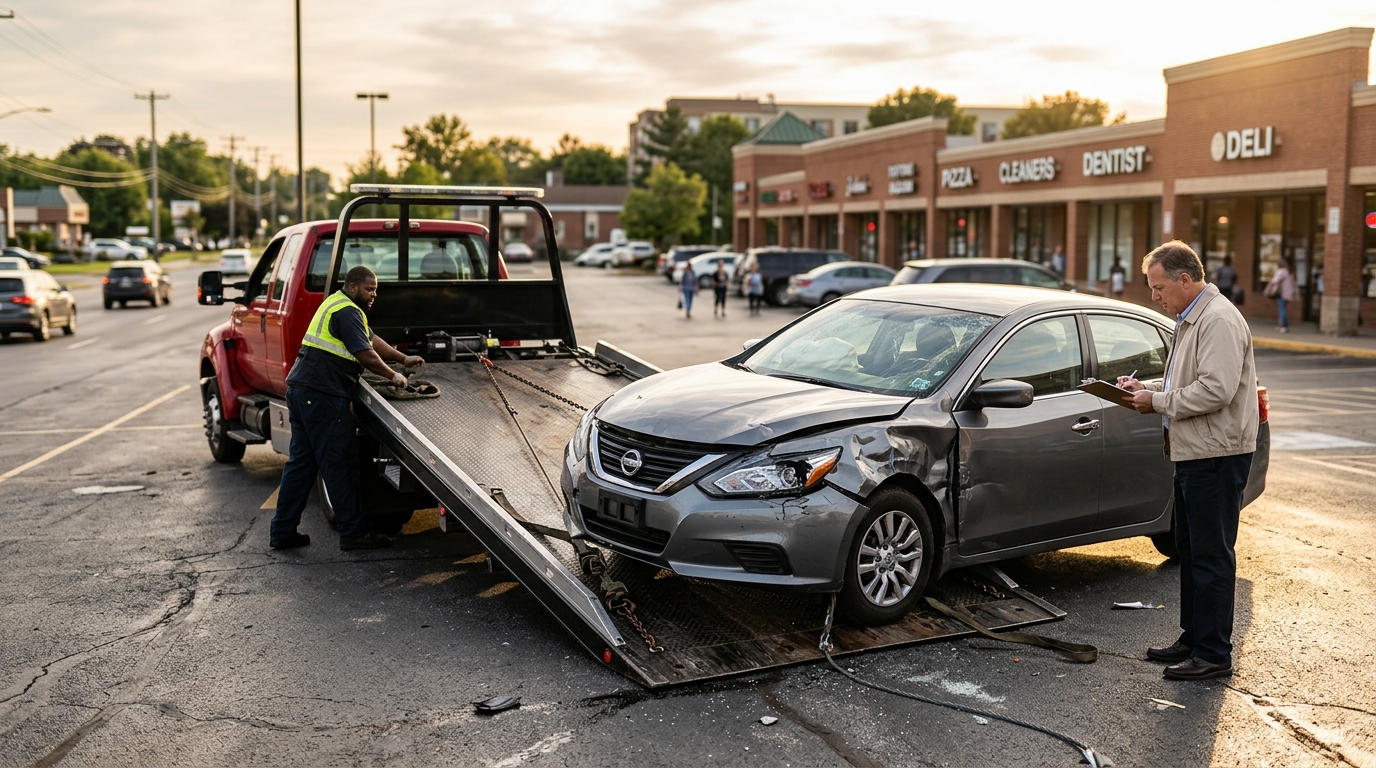
Gap insurance covers the difference between what a borrower owes on a car loan and what the car is actually worth if it's totaled or stolen—a shortfall that can easily hit $5,000 to $15,000 in the first years of a new-car loan. This piece breaks down when the coverage is genuinely worth buying, how much it should actually cost, and why the version sold at the dealership's finance desk is almost always the wrong one to sign.
In this article
What Gap Insurance Actually Covers
Gap insurance—sometimes marketed as loan/lease payoff coverage—pays the difference between an auto loan balance and the vehicle's actual cash value (ACV) if the car is declared a total loss. Standard collision and comprehensive coverage only pay the ACV, which is the used-market value on the day the car was totaled, not what's still owed to the lender.
Depreciation is the reason the gap exists. A new car typically loses around 20% of its value in the first year and 40 to 50% by year three. If the buyer financed with a small down payment or rolled negative equity from a trade-in into the new loan, they are almost certainly underwater for the first two to three years. Without gap coverage, the check from the insurance carrier goes directly to the lender, and the borrower is stuck writing a personal check for whatever remains—often $3,000 to $10,000.
Most gap policies cap the payout at 25% above ACV or a hard dollar ceiling near $50,000. They cover total losses from accidents, theft, fire, and floods, but not missed loan payments, mechanical breakdowns, or late-payment penalties added after the loss.
When You Actually Need Gap Insurance
Gap coverage does not make sense for every borrower. The clearest cases for buying it:
- Less than 20% down on a new car. Financing 90 to 100% of MSRP practically guarantees the loan balance stays above the vehicle's value for at least 18 months.
- A loan term of 60 months or longer. Long terms amortize slowly. A 72- or 84-month loan can keep the borrower underwater into year four or beyond.
- Leased vehicles. Most lease contracts already include gap coverage, but not all—it's worth confirming rather than assuming.
- Negative equity rolled into the new loan. Owing $4,000 on a trade-in that appraised at $2,000 means the new loan started $2,000 underwater before any depreciation.
- Vehicles that depreciate faster than average. Luxury sedans, electric vehicles, and heavily incentivized brands often lose 25 to 35% of their value in year one.
Buyers who put 30% or more down, took a short loan (36 or 48 months), or bought a used car with much of the depreciation already priced in generally do not need gap insurance—the equity cushion covers the risk on its own.
How Much It Costs and Where to Buy It
Prices vary widely by source, and the dealership finance office is almost always the most expensive option.
| Source | Typical Cost | Notes |
|---|---|---|
| Auto insurer rider | $20-$60 per year | Added to an existing policy; cancel anytime |
| Credit union or bank | $200-$400 one-time | Flat fee at loan origination |
| Dealer F&I office | $500-$1,000+ | Rolled into loan; financed at loan rate |
| Manufacturer captive lender | $400-$900 | Often bundled with a lease |
The dealer version isn't inherently worse coverage—it's just marked up three to ten times and financed at the loan's APR, meaning the buyer pays interest on it for years. A $700 dealer gap policy on a 72-month, 8% APR loan actually costs closer to $880 by the time the loan is paid off.
Auto insurance carriers charge the least because gap is a small rider on an already-active policy—no separate underwriting, no new commission. The one-time credit union policy is the right structure for a buyer who plans to pay off the loan aggressively; the monthly insurer rider is better for anyone who values the ability to cancel at any time.
Ready to compare car insurance rates?
Fresh side-by-side quotes from three or more insurers take about ten minutes.
See our quote guideWhen the Dealer Version Is a Bad Deal
The F&I (finance and insurance) office at a dealership makes most of its profit on add-ons like extended warranties, tire-and-wheel protection, and gap coverage. That's why the number often shows up pre-populated on the payment sheet at closing—the finance manager is banking on the buyer preferring to roll it into a barely-noticeable monthly payment rather than ask what it costs standalone.
A dealer gap pitch is a bad deal when any of these red flags appear:
- The price isn't broken out separately from the monthly loan payment.
- The salesperson claims gap coverage is required by the lender. Almost no US lender requires gap insurance—only full coverage. Verify in writing.
- The policy caps payout at $50,000 on a vehicle financed for $65,000 or more.
- The policy does not cover the collision deductible, leaving a $500 to $1,500 shortfall even with full gap.
- The refund clause only pays back unearned premium if the vehicle is sold, not if the loan is paid off early or refinanced.
The two-minute test: pull up the auto insurance app at the F&I desk. If the current carrier offers gap for $5 a month and the dealer wants $895 financed for 72 payments, the answer is obvious.
How to Cancel a Dealer Gap Policy
Anyone who already bought a dealer gap policy and wants to switch to a cheaper option can usually cancel and receive a pro-rata refund. Here's the process most policies follow:
- Find the gap contract. It's typically a separate document from the delivery-day folder, not part of the retail installment sales contract itself.
- Locate the cancellation clause and administrator. The administrator's name and phone number appear near the top or bottom of the contract; it's rarely the dealer.
- Contact the administrator directly. The dealer only sold the policy—a third-party company services it, so calling the sales manager wastes time.
- Request a pro-rata refund in writing. State the effective cancellation date and current mileage. Some states require the request in writing to trigger the refund clock.
- Confirm where the refund goes. If the loan is still active, the refund reduces the loan principal. If the loan is paid off, the check comes to the borrower.
- Add replacement coverage the same day. Don't leave a gap in gap coverage while the refund is processing.
Refunds usually arrive in 30 to 60 days, minus a $25 to $75 cancellation fee in some states.
Gap Insurance vs. New Car Replacement Coverage
Gap insurance and new car replacement (NCR) coverage sound similar and often get confused. NCR—offered by Liberty Mutual, Allstate, Erie, and a handful of others—pays for a brand-new equivalent vehicle if the current one is totaled within the first one to three years, regardless of depreciation. During the coverage window, NCR effectively makes gap insurance redundant.
The trade-offs are real. NCR usually adds $50 to $150 to the annual premium, which is meaningfully more than a standalone gap rider costs. It typically requires the car to be new when the policy started and expires after a set period—commonly year two, three, or five depending on the carrier. Gap coverage doesn't care about the car's age when the policy started; it only cares about the current loan balance versus the ACV at time of loss.
For a new-car buyer who financed heavily, NCR is usually the better deal for the first two years because it eliminates depreciation risk entirely. After the NCR window closes and the loan balance dips below the vehicle's value, standard collision alone is enough. Gap insurance fills a narrower slot: cases where the borrower is underwater, but the vehicle is no longer new enough (or the policy old enough) to qualify for NCR.
Frequently Asked Questions
Is gap insurance worth it?
For most buyers who put less than 20% down on a new car with a 60-month or longer loan, yes—the coverage typically pays for itself if the vehicle is totaled in the first two to three years. Buyers who put substantial money down or took short loans usually don't need it. A simple check: subtract the vehicle's current Kelley Blue Book value from the loan balance. That number is the exposure gap insurance would actually cover.
Can I buy gap insurance after buying my car?
Yes. Most auto insurance carriers will add a gap rider mid-policy as long as the vehicle is under two or three years old and the policy has been active for less than a year. Credit unions also sell standalone gap policies to existing members. Buyers do not have to accept the dealer's F&I offer at closing in order to be covered.
Does gap insurance cover negative equity from a trade-in?
Most gap policies cover negative equity rolled into a new loan, but with limits—typically capped at 25% of the vehicle's actual cash value. Some policies carve the rolled-in negative equity out entirely, and others cap it at $1,000 or $2,500 flat. The rolled-in equity clause is worth reading closely before signing anything.
Does gap insurance cover a repossession?
No. Gap insurance only pays out when the vehicle is declared a total loss from a covered peril—an accident, theft, fire, or flood. Voluntary surrender, repossession, and mechanical breakdown are not covered events. Falling behind on payments is not something gap insurance is designed to fix.