
Non-Owner Car Insurance: Do You Need It?

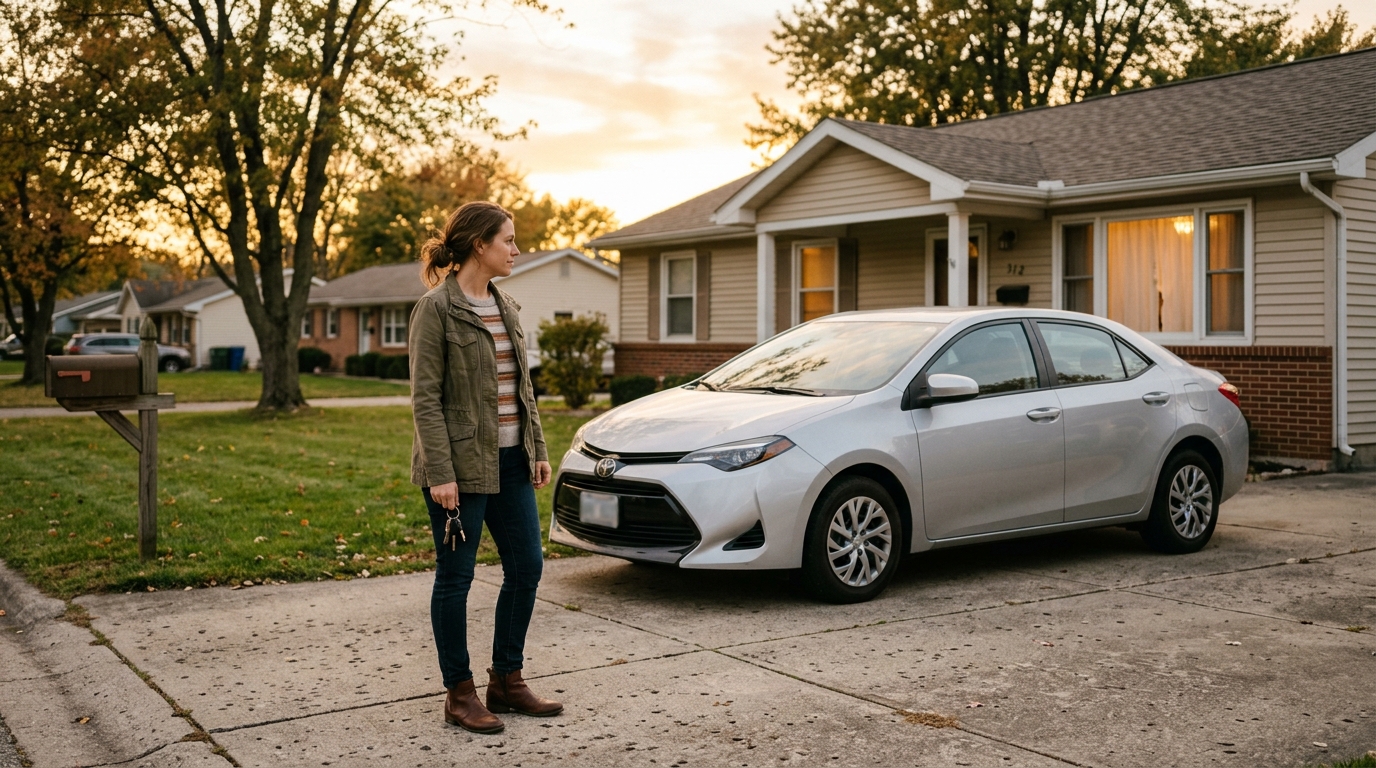
Non owner car insurance is a liability-only policy for people who drive but don't own a vehicle — renters, borrowers, and drivers between cars. It usually runs $200 to $500 a year, and its real value is often not the coverage itself but keeping an unbroken insurance history that stops rates from spiking the next time you buy a car. Here is who actually needs it, what it costs by state and driving record, and when it is safe to skip.
In this article
What a Non-Owner Policy Actually Covers
A non-owner policy is a stripped-down auto policy built around one thing: liability. If someone is hurt or their property is damaged in a crash caused by the driver, the policy pays those bills up to the limits purchased. State minimums are the floor — often 25/50/25 — but most people carry 100/300/100 or higher because a single serious injury claim can blow through minimum limits in one afternoon.
Most non-owner policies also include uninsured and underinsured motorist coverage and, depending on the state, medical payments or personal injury protection. What they never include is physical damage to the car being driven. There is no collision, no comprehensive, and no coverage for the vehicle itself. If a borrowed car gets totaled in a crash the driver caused, the owner's policy or the rental company's damage waiver has to handle the vehicle side.
Non-owner insurance is also designed to sit as excess coverage — it pays after any primary policy on the car is exhausted. That structure is a big part of why it costs so little compared with a standard auto policy.
Who Actually Benefits From a Non-Owner Policy
Non-owner coverage is a niche product, but for a handful of specific situations it is the cleanest answer. It tends to make sense for:
- Drivers between cars who sold a vehicle but plan to buy another within a year
- Frequent renters who rent for a week or more several times a year and don't want to pay $15 to $30 a day for the counter's liability upgrade
- Regular Turo, Zipcar, or Getaround users, since carshare liability is often thin above state minimums
- SR-22 or FR-44 filers after a DUI, reckless driving, or license suspension who don't own a car
- Adult family members who routinely borrow a household car but aren't listed on that policy
- City residents who rarely drive but occasionally borrow or rent a car for road trips
What Non-Owner Car Insurance Costs
Most non-owner policies fall in the $200 to $500 a year range, which works out to roughly $17 to $42 a month. That is 40% to 70% cheaper than a full standard policy on the same driver because there is no vehicle to insure for theft, weather, or physical damage. Rates vary widely by state — a clean driver in Ohio or Indiana might see a quote around $220 a year, while the same driver in Florida, Louisiana, or Michigan can pay $600 or more thanks to higher liability costs and no-fault dynamics.
Insurers price a non-owner policy on these factors, in roughly this order of importance:
- Driving record — a clean record is the biggest lever; a DUI or two at-fault crashes can double or triple the base premium
- State and ZIP code — liability rates in Michigan, Florida, New York, and parts of California run well above the national average
- Coverage limits chosen — going from state minimums to 100/300/100 typically adds $60 to $150 a year
- SR-22 or FR-44 requirement — the filing itself is $15 to $25, but the underlying rate reflects the incident that triggered it
- Age and years licensed — a 22-year-old pays noticeably more than a 45-year-old on an otherwise identical policy
Ready to compare car insurance rates?
Fresh side-by-side quotes from three or more insurers take about ten minutes.
See our quote guideThe Continuous Coverage Payoff
The strongest argument for a non-owner policy often is not what it covers today — it is what it prevents tomorrow. Auto insurers reward continuous coverage. Once someone lets a policy lapse for more than 30 days, most carriers move that person into a higher risk tier the next time they apply. Come back after a six-month or year-long gap, and it is common to see rates 15% to 40% higher than a comparable driver with unbroken coverage. Some preferred carriers won't issue a policy at all until a driver has been continuously insured again for six or twelve months.
A non-owner policy at $25 a month keeps that history intact. Someone who sold their car in March and buys another in November has an eight-month gap without it — and that gap can add several hundred dollars a year to the new policy for the next three to five years. The math often favors the non-owner policy even if the driver never files a single claim.
The same continuous-coverage benefit matters for anyone reinstating a license after an SR-22 or FR-44 requirement, since the state-mandated filing period is usually three years and a lapse restarts the clock.
When a Non-Owner Policy Isn't Worth It
Not every carless driver needs their own policy. Skip it in these situations:
- Household coverage already applies — a spouse or roommate's policy that lists everyone in the household as a driver typically extends to permissive use of that vehicle
- Driving is genuinely rare — a few short rentals a year where the credit card's secondary coverage plus the counter's liability is enough protection
- The regular vehicle is a company car with commercial coverage that extends to personal off-hours use
- A car purchase is imminent — buying within a few weeks means a standard policy can bind on delivery day without a meaningful lapse
- No realistic driving need — strong public transit and no plan to borrow or rent for the foreseeable future
How to Buy a Non-Owner Car Insurance Policy
Non-owner policies are not sold through every channel — most direct-to-consumer websites default to owned-vehicle quotes. Here is how to actually get one on the books:
- Start with carriers that publish non-owner rates. Geico, Progressive, State Farm, Nationwide, Farmers, and Allstate all sell them, and Dairyland or The General are common options for drivers with SR-22 requirements.
- Call rather than rely on the web form. Several major insurers only quote non-owner coverage over the phone or through a local agent.
- Have documentation ready — a driver's license number, current address, and history of any accidents or violations in the past three to five years.
- Ask specifically about limits and add-ons. Request quotes at state minimums and at 100/300/100, and confirm uninsured motorist and medical payments coverage where available.
- Disclose any SR-22 or FR-44 up front. Not every carrier will file for a non-owner driver, and the filing itself carries a small extra fee.
Policies bind quickly — often the same day — and coverage can start the next morning. Most carriers issue a six-month or twelve-month term, with the six-month version giving more flexibility if the plan is to buy a car soon.
Frequently Asked Questions
How much does non-owner car insurance cost per month?
Most drivers pay between $17 and $42 a month, or roughly $200 to $500 a year. Rates depend heavily on state, driving record, and coverage limits — a clean driver in a low-cost state might come in under $20 a month, while an SR-22 filer in Florida or Michigan can pay $70 or more.
Does non-owner car insurance cover rental cars?
Yes, in most cases. A non-owner policy extends the liability coverage to rental cars, which lets a driver skip the daily liability upgrade at the counter. It does not cover damage to the rental vehicle itself, so the collision damage waiver or a credit card's rental coverage is still needed for that piece.
Can I get an SR-22 without owning a car?
Yes. Every state that requires an SR-22 or FR-44 filing allows a non-owner version of the form. Insurers like Dairyland, The General, and Progressive routinely file non-owner SR-22s, though the underlying premium is higher because of the DUI or violation that triggered the requirement in the first place.
Does non-owner insurance cover me when I drive a friend's car?
It provides secondary liability coverage. The car owner's policy pays first up to its limits, and the non-owner policy kicks in above that for injuries or property damage caused. It does not pay for damage to the friend's vehicle itself — that falls on the owner's collision coverage.
Which insurance companies sell non-owner car insurance?
Geico, Progressive, State Farm, Nationwide, Farmers, and Allstate all sell non-owner policies, though not every state or local agent handles them the same way. For drivers who need an SR-22 or FR-44, Dairyland, The General, and Direct Auto are among the most consistent options.